What is the best futures trading journal in 2026?
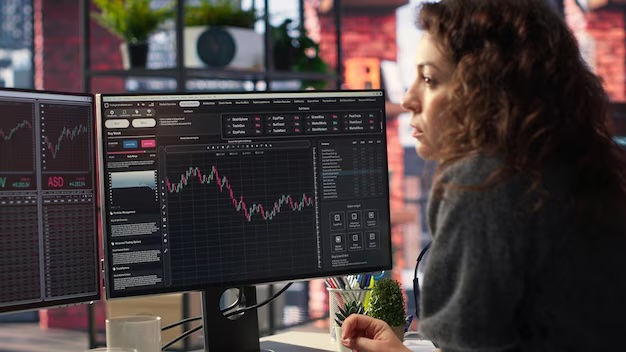
The best futures trading journal in 2026 is the one that understands contracts, tick values, and sessions, and fits your daily routine with as little manual work as possible. For most active futures traders, that means using a dedicated journal that supports futures data and analytics, not just a generic stock log.
If you want AI insights, clean stats, and support for brokers like NinjaTrader, Tradovate, and Thinkorswim, an AI journal like TradeResona is one of the strongest choices.
What a good futures journal must do in 2026
Futures trading is not the same as stocks. Your journal has to handle futures details.
Look for a journal that can:
Track symbol and contract correctly
ES, MES, NQ, MNQ, CL, GC, ZB, etcRespect tick size and tick value
Show P L per contract and per day
Handle sessions
Regular, overnight, globex, London sessionTrack scale in and scale out orders
Support multi account trading
Prop firm accounts, personal accounts
On top of that, it should show:
Win rate
Average win and loss
Max drawdown
P L by session and time of day
If it cannot answer basic questions like
“Where do I lose the most money”
it is not doing enough.
Types of futures trading journals in 2026
You will usually see three types.
1. Basic spreadsheets
Cheap, flexible, but a lot of work
You build your own columns and formulas
Easy to break or forget to update
Works if:
You trade small size
You do a few trades per week
You are comfortable in Excel or Google Sheets
Breaks down when:
You trade often
You use more than one account
You want deeper stats without spending hours on formulas
2. Classic performance journals
These are older style web apps that focus on:
Imports from brokers and platforms
Equity curves and detailed breakdowns
Stats by symbol and strategy
They are usually strong on:
Performance analytics
Handling multiple instruments, including futures
They are weaker on:
AI summaries
Behavior tracking
Simple language feedback
You still need to do most of the “thinking” yourself.
3. AI journals like TradeResona
This is the newer wave.
They treat journaling as a data and feedback loop, not just storage.
TradeResona fits here.
What an AI futures journal like TradeResona brings:
Clean dashboards for futures trades
Support for data from platforms like Thinkorswim, NinjaTrader, and others
AI summaries of your performance
Tagging for setups and mistakes
Filters by instrument, session, and account
You trade on your broker.
Then you review on TradeResona.
Why futures traders need more than a P L line
Futures traders deal with:
High leverage
Fast moves
Many trades per session
Strong emotional swings
You need to know:
Which times of day are killing you
Which markets are best for you
When you break your rules
Where slippage and overtrading hurt most
A good futures journal should help you answer:
“Is the ES actually good for me, or is NQ better”
“Do I trade better in the first hour or later in the day”
“Are my scalps or my runners more profitable”
A platform like TradeResona can show this, because it lets you tag trades and break down stats in a few clicks.
How TradeResona fits futures trading
Here is how TradeResona lines up for futures in 2026.
Futures friendly structure
Track ES, MES, NQ, MNQ, CL, GC, and more
Record per trade and per day P L
See performance by symbol and contract
Multi account and prop firm friendly
Tag trades by account
Compare performance between your personal account and prop firm accounts
Keep one journal for multiple futures accounts
AI insights
Once your futures trades are in TradeResona, AI can help you see patterns, for example:
“You do best on ES between 9 30 and 11 00, your afternoon trades give back 40 percent of profits”
“Your losers grow when you increase size after a loss”
“MES trades are more consistent than ES for your current risk level”
You get simple text, not just charts.
Behavior tracking
You can tag:
“Chase”
“No stop”
“Revenge”
“Overtrade”
Then see how much each mistake costs over weeks and months.
Example routine for a futures trader
Here is a simple daily loop using a futures broker plus TradeResona.
During the session
Trade ES or NQ on your normal platform
Follow your plan for entries, stops, and targets
After the session
Log into TradeResona
Sync or import your trades
Tag each trade quickly with:
Setup
Mistake, if any
Session type
Then review:
P L by symbol
P L by session
R multiples
Equity curve for the week
This takes minutes when the journal and imports are set up right.
How to pick the best futures journal for you
Use this checklist.
Broker compatibility
Does it support your futures platform or let you import data cleanlyFutures awareness
Does it handle contracts, tick size, and multi contract tradesEase of use
Can you review your day in under 15 minutesBehavior tracking
Can you tag mistakes and see how they affect youAI and insight
Does it only show numbers, or does it explain themExport and backups
Can you get your data out if you ever leave
If you want a modern, AI based answer for futures journaling, TradeResona checks these boxes and gives you a clean way to track your futures trading in 2026.
Summary
The best futures trading journal in 2026 is not just a log of fills. It is a tool that understands futures contracts, tick values, and sessions, and helps you see where your real edge is. Spreadsheets and older style journals can still work, but they take more effort and give less guidance.
An AI powered journal like TradeResona, which is built to work with common futures brokers and platforms, makes it easier to sync your trades, tag your setups and mistakes, and see clear stats on your ES, NQ, and other futures markets. If you are serious about futures in 2026, a focused journal like TradeResona is one of the best ways to track your trades and improve over time.