How to Stop Revenge Trading: A Trader’s Recovery Plan
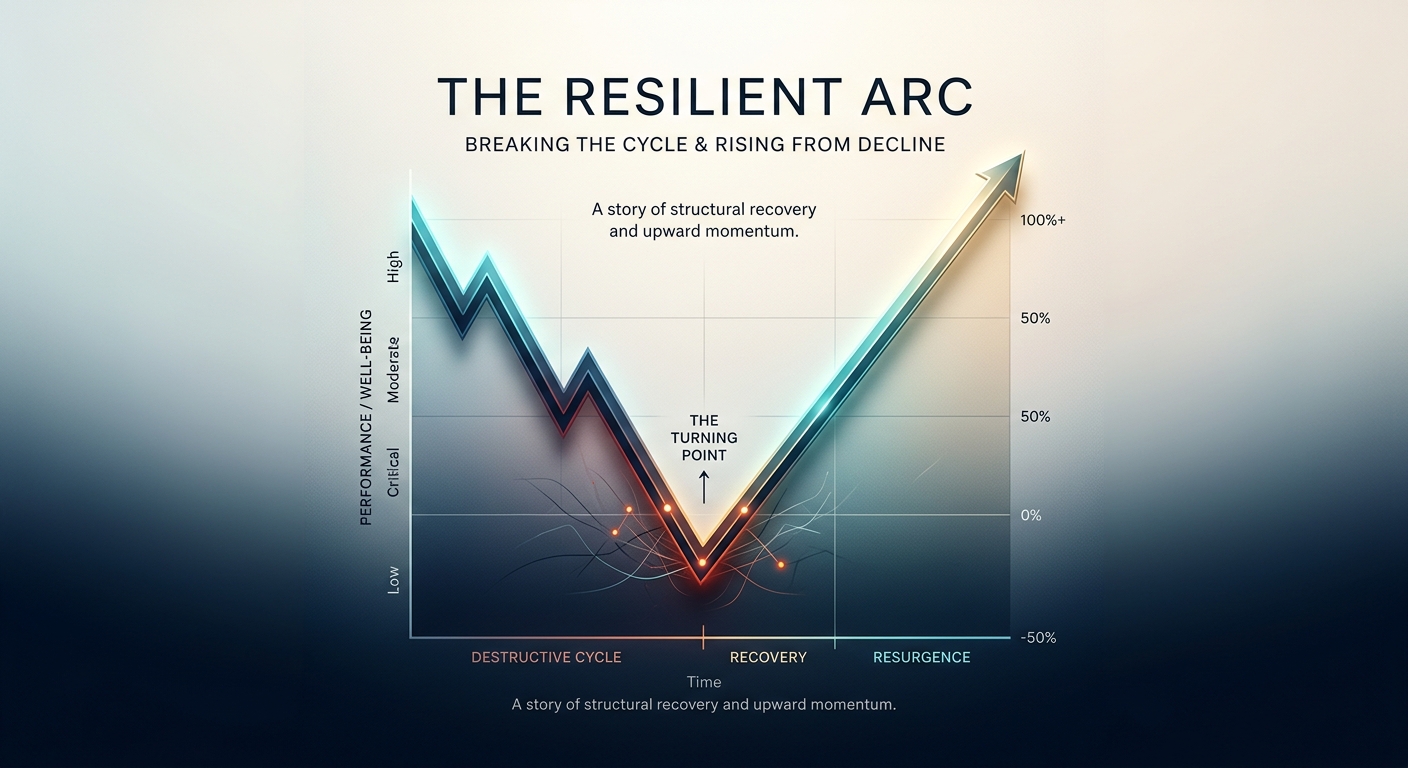
The Cycle of Revenge Trading: Why It Happens
Look, we've all been there. You take a painful loss, maybe one you really shouldn't have. The market just slapped you silly, and suddenly, that logical brain of yours takes a backseat. All you want is to get it back, right? You jump back in, often with oversized positions, poorly planned entries, or just chasing whatever moves. That's revenge trading, and it's a guaranteed way to dig yourself into an even deeper hole.
It's not just about the money, either. It's the ego hit, the frustration, the feeling of losing control. This emotional cocktail pushes you to make irrational decisions, turning a small manageable loss into a catastrophic one. The sooner you recognize this pattern, the sooner you can break free from it.
What Triggers Revenge Trading?
- Unexpected Losses: A trade you were certain would work suddenly goes south.
- Overconfidence: Believing you can't lose, then getting humbled.
- Breaking Your Rules: Taking a setup you knew was weak, and paying the price.
- Comparing to Others: Seeing other traders post big wins while you're struggling.
- Lack of a Plan: Not having clear entry, stop, and target levels before you even click 'buy'.
The good news? You can absolutely stop revenge trading. It takes discipline and a system, but it's 100% doable.
Step 1: Implement an Immediate Cool-Down Period
This is non-negotiable. When you take a loss, especially a frustrating one, you need to step away. Immediately. Don't look at charts, don't think about entries, don't even open your trading platform. Give yourself at least 15-30 minutes. If it was a particularly bad hit, make it an hour, or even the rest of the day.
Use this time to do something completely unrelated to trading. Go for a walk, grab a coffee, hit the gym. Anything to get your mind off the screen. This breaks the emotional feedback loop that fuels revenge trading. You're giving your prefrontal cortex a chance to catch up with your limbic system.
Here's a simple rule: One significant loss = done for the day. Don't try to get it back. The market will always be there tomorrow. Your capital might not if you keep pushing it.
Step 2: Journal Every Single Trade, Especially the Bad Ones
This is where the real work begins. You can't fix what you don't understand. A proper trading journal isn't just a record of your P&L; it's a diagnostic tool. After your cool-down period, you need to dissect that losing trade.
What to Capture in Your Journal:
- Entry/Exit: Exact prices, times, and size.
- Setup: What was your plan? Why did you take the trade?
- Market Context: What was the overall market doing? News? Key levels?
- Emotional State: How were you feeling before, during, and after the trade? Were you confident, anxious, greedy, bored? Be brutally honest.
- Mistakes Made: Did you chase? Did you move your stop? Did you cut winners too fast?
- Lessons Learned: What will you do differently next time?
- Screenshots & Charts: Visual evidence of your entry, exit, and stop. Add your drawings too.
Traderesona's Trade Journal allows you to log trades with notes, screenshots, and charts. It supports stocks, options, futures, and forex, so you can keep everything in one place. Unlimited entries are available on Pro and Premium plans. It's not just about logging; it's about seeing the patterns.
Step 3: Analyze Your Performance with Data, Not Emotion
Once you have a solid trading journal, you can start digging into the data. This is where you move beyond gut feelings and into objective reality. You need to identify *when* and *why* you revenge trade. Advanced analytics are crucial here.
On Traderesona, the Pro and Premium plans offer Advanced Analytics & Reports. You can break down your performance by:
- Time of Day: Do you blow up in the first hour? Or maybe after lunch?
- Day of Week: Are Mondays always rough? Or Fridays where you're trying to make one last buck?
- Symbol: Are certain stocks or instruments just bait for your revenge impulse?
- Hold Time: Do your revenge trades tend to be short-term impulsive entries?
These reports reveal your true weaknesses. For example, you might find that 80% of your revenge trades happen between 11 AM and 1 PM, right after a small loss. Knowing this is powerful. It allows you to create specific rules, like 'no trading between 11 AM and 1 PM if I've had a loss.'
Let's say your analytics show your worst trades are often high-volume, short-duration trades taken immediately after a loss. An illustrative chart of trade duration vs. R-multiple could look something like this:
This illustrative chart shows that your average R-multiple (your profit relative to your risk) goes way down on short-duration trades. That's a red flag for impulsive, revenge-driven entries.
Want to see the bigger picture? Check out the full pricing plans for Traderesona to see which tier gives you the analytics you need.
Step 4: Develop an Anti-Revenge Trading Playbook
Once you've identified your patterns, it's time to build a robust defense. This isn't just about avoiding bad trades; it's about actively setting yourself up for success. You need rules, and you need to stick to them.
Key Playbook Elements:
- Maximum Daily Loss Limit: Before you even open your platform, know your hard stop. If you hit -$500 on a $10,000 account, you're done for the day. No exceptions.
- Max Trades Per Day: Limit your activity. Often, overtrading is a symptom of trying to 'force' profits, which can lead to revenge trading.
- Pre-Trade Checklist: Before *every* trade, run through a checklist. Is the setup valid? Is your risk defined? Does it align with your strategy? If you can't answer 'yes' to all, don't take it.
- Post-Loss Protocol: What do you do immediately after a loss? (Refer back to Step 1: cool-down period).
- AI Playbook Generation: On Traderesona's Pro and Premium plans, the Resona AI can actually help you with this. It can analyze your trade history to find winning patterns and, more importantly, patterns that lead to losses, helping you to generate a personalized playbook of what to avoid and what to focus on.
This is where disciplined execution meets data-driven insights. It's not enough to know *what* to do; you have to *do* it. Consistently. Traderesona makes it easier to track and adhere to these rules by providing the data you need to build them.
Step 5: Leverage AI for Objective Coaching and Setup Generation
Sometimes, you need an unbiased perspective. That's where AI can be a game-changer for breaking bad habits like revenge trading.
Traderesona's AI features, powered by Resona AI, offer several tools to help:
- AI Trade Coach: This personalized coach analyzes your performance patterns and gives you actionable feedback. It can highlight if you're consistently breaking rules after a loss or if certain market conditions trigger your revenge impulses. This objective feedback can be incredibly powerful in overcoming emotional biases. You get 10 AI Credits/month on Lite, 50 on Pro, and 200 on Premium.
- Resona Trade Ideas: This feature provides AI-generated trade setups with clear entry, stop-loss, and take-profit levels. It uses an 8-point confluence analysis. Why is this useful for revenge trading? Because it gives you a *structured, objective plan* for new trades, preventing you from impulsively jumping into random setups just to 'get back' losses. It even includes a position size calculator, which is crucial for proper risk management (and you can find other useful calculators on our trading calculators page).
By using AI to identify weaknesses and provide structured trade ideas, you're adding a layer of objectivity that is vital when your emotions are running high.
Step 6: Cultivate a Growth Mindset and Focus on Process
Finally, shift your focus from individual trade outcomes to your overall process. A single loss doesn't define you as a trader. What matters is how you react to it. Did you stick to your plan? Did you review it properly? Did you learn from it?
Your goal isn't to never lose; it's to manage losses effectively and ensure they don't spiral into destructive revenge trading. Celebrate adhering to your rules, even if a trade ends in a small loss. That's a win for your discipline.
Review your progress regularly. Use the Calendar View on Traderesona to see your daily P&L heatmap and reflect on your emotional state on red days. See how consistently you followed your rules. This continuous feedback loop reinforces good habits and helps you stay on track.
Summary: Break the Cycle, Build Discipline
Stopping revenge trading isn't a quick fix; it's a commitment to discipline, self-awareness, and continuous improvement. By implementing cool-down periods, rigorously journaling every trade, analyzing your performance objectively, building a defensive playbook, and leveraging AI for unbiased insights, you can break free from this destructive habit. Remember, the market will always offer new opportunities, but only if you preserve your capital and your mental edge. Ready to take control? Start tracking your journey with Traderesona.